What You Should Know About Winning a Slip or Trip and Fall Lawsuit

Slip, trip, and fall accidents can happen in stores, restaurants, hotels, apartment buildings, and other properties throughout Florida.
If you slipped or tripped because of a dangerous condition on someone else’s property, you may be wondering whether the property owner or business can be held responsible. Florida property owners and businesses generally have duties to keep their premises reasonably safe for lawful visitors, but whether you have a claim depends on what caused your fall, what the responsible party knew or should have known, and the evidence available.
If you were injured in a slip, trip, or fall, contact SteinLaw for a free case evaluation before important evidence is lost or the applicable filing deadline approaches.
Slip, Trip, and Fall Accident Injuries
“Slip and falls” and “trip and falls” commonly cause injuries like:
- Head injuries
- Back injuries
- Hip fractures
- Leg or ankle fractures
- Broken arms, wrists, or fingers
- Traumatic brain injuries
- Neck and spinal cord injuries
- Knee and shoulder injuries
- Soft tissue injuries, including sprains and torn ligaments
A slip and fall accident may occur when you lose your footing because of a slippery condition, such as water, ice, excess moisture, or another substance.
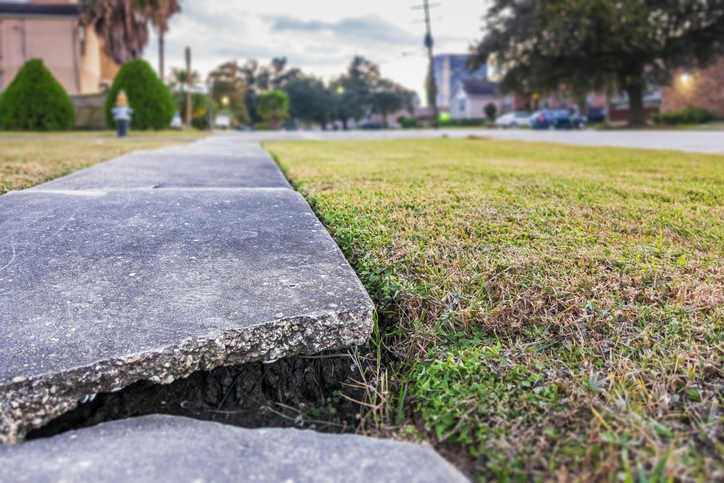
A trip and fall accident may occur when you encounter a physical obstruction or defect, such as an unrepaired hole, protruding board or wire, uneven flooring, or a damaged sidewalk.
Both accidents can cause serious injuries, permanent disability, and even death.
Even if you can stand up and walk after a fall, do not assume you are uninjured. Symptoms of concussions, back injuries, soft tissue injuries, and other conditions may become more noticeable hours or days later. Getting appropriate medical care can protect your health while also creating a record of your injuries and treatment.
What Are Common Causes of Slip and Fall Accidents in Florida?
Slip and fall claims can arise from many different unsafe property conditions. Common examples include:
- Spilled drinks, cleaning products, or other liquids
- Recently mopped floors without adequate warning signs
- Rainwater tracked into a store entrance
- Leaking refrigerators, freezers, pipes, or air-conditioning systems
- Loose rugs or torn carpeting
- Broken or uneven flooring
- Cracked or raised sidewalks
- Potholes and damaged parking lots
- Poorly lit stairs or walkways
- Broken handrails
- Clutter, merchandise, cords, or debris in walking paths
- Unsafe stairs or changes in floor elevation
The existence of a dangerous condition by itself does not automatically make a property owner liable. The facts surrounding the condition, including whether the responsible party knew or should have known about it and whether reasonable steps were taken to address it, can be important to the claim.
Steps to Take if You Were Injured in a Slip or Trip and Fall
If you have been injured in a slip, trip, and fall accident, the steps you take afterward can affect both your health and your ability to document what happened.
- Get medical care. In addition to getting the care and treatment you need, medical records can help document your injuries, symptoms, treatment, and recovery.
- Report the accident. Tell the manager, owner, landlord, or another appropriate representative about the fall as soon as practical. Ask how the incident was documented and keep any information you receive.
- Collect and document information. When it is safe to do so, take photographs or video of the condition that caused the fall and the surrounding area. Get the names and contact information of potential witnesses, write down what happened while your memory is fresh, and preserve the shoes and clothing you were wearing.
- Limit communication with insurers. Avoid posting details about the accident on social media, and consider speaking with a lawyer before providing a detailed statement or signing documents for an insurance company.
- Speak with a lawyer. Victims of slip, trip, and fall accidents often do not realize how complex their incident may become, so you should call on an experienced slip, trip, and fall lawyer to guide you in understanding your legal options and pursuing compensation when the facts support a claim.
How Do You Prove a Florida Slip and Fall Claim?
A slip, trip, or fall does not automatically establish negligence. A claim generally requires evidence that the responsible party owed you a legal duty, failed to use reasonable care, and caused injuries that resulted in legally recognized damages.
Many Florida slip and fall claims are handled as premises liability cases. Whether the property owner, business, tenant, manager, or another party may be responsible depends in part on who controlled the area where the fall occurred and what duty that party owed you.
For falls involving a temporary substance, such as water, grease, food, or another spill inside a Florida business, Florida Statute § 768.0755 establishes specific requirements involving actual or constructive knowledge of the dangerous condition.
Determining the Property Owner’s Fault
What Does Actual or Constructive Knowledge Mean?
Actual knowledge means the business actually knew about the dangerous condition. For example, an employee may have seen a spill, received a customer complaint about it, or created the hazard.
Constructive knowledge means the business may not have admitted knowing about the condition, but circumstances indicate it should have known. Under Florida law, constructive knowledge of a transitory foreign substance may be shown by evidence that the condition existed long enough that the business should have discovered it through ordinary care, or that the condition happened regularly enough to be foreseeable.
Evidence such as footprints or cart tracks through a spill, dirty or drying liquid, recurring leaks, inspection logs, employee testimony, surveillance video, and prior reports of the same problem may become important depending on the facts.
Why Notice of the Dangerous Condition Matters
A key question in many Florida store slip and fall cases is not simply whether a spill existed, but whether there is evidence connecting the business to knowledge of the hazard. For example, if another customer spilled a drink seconds before someone fell and employees had no reasonable opportunity to discover it, proving liability may be difficult. If the spill had been on the floor for a significant period, employees walked past it, or the same condition repeatedly occurred in that location, the injured person may have a stronger argument that the business should have addressed it.
Evidence gathered shortly after a fall may help establish how the condition developed and whether the business had an opportunity to discover and address it. Surveillance footage, witness statements, inspection procedures, photographs, maintenance records, and employee testimony may all be relevant depending on the circumstances.
What Needs to Be Proven in a Slip, Trip, and Fall Case?
You do not automatically have a claim simply because you fell on someone else’s property. The evidence generally must connect the dangerous condition to the responsible party and your injuries. Important issues may include:
- Liability (the defendant’s duty): The defendant owned or operated the premises.
- Negligence (notice): The defendant was aware or should have been aware of the condition that may have harmed the public.
- Dangerous condition: The harmful condition was not considered a “minor” issue.
- Damages: The plaintiff sustained injuries because of a dangerous condition.
More generally, a successful negligence claim requires evidence showing that the responsible party owed you a legal duty, breached that duty, and caused an injury that resulted in legally recognized damages. The exact requirements can vary depending on where and how the fall happened.
Property owners and insurance companies may argue that an injured person was partly responsible for the accident, such as by failing to notice an obvious condition or by not exercising reasonable care. Florida follows a modified comparative-fault system for negligence actions. A person’s compensation can be reduced according to their percentage of fault, and under current Florida law, a party found more than 50% responsible for their own harm generally cannot recover damages in a negligence action.
Collecting Proper Evidence

Evidence can help determine whether the property owner, business, or another responsible party was negligent and whether that negligence caused your injuries.
This evidence can take many forms:
- Medical records can document your injuries, treatment, symptoms, and the course of your recovery. Medical evidence may also help establish whether the fall caused or contributed to your claimed injuries.
- Pictures or surveillance video from the accident scene may help show the dangerous condition, the surrounding area, and what happened before or during the fall.
- Witness testimony may help establish what the condition looked like, how the fall occurred, and whether employees or others were aware of the condition.
- Incident reports can document when and where the accident occurred and which employees responded.
- Inspection and cleaning logs may show when employees last checked the area.
- Maintenance and repair records may show whether the property owner knew about an ongoing problem.
- Prior complaints or similar incidents may be relevant when they involve the same or a recurring hazard.
- Receipts, bank records, or other information may help establish that you were lawfully on the property at the time.
- Medical bills, wage records, and employment documentation can help establish the financial consequences of the injury.
How Can Surveillance Video Help a Slip and Fall Case?
Security video can sometimes show how the dangerous condition developed, how long it existed, whether employees walked through the area, whether other customers encountered the hazard, and the fall itself. It may also answer allegations that the injured person caused the accident.
Because businesses may not keep surveillance recordings indefinitely, requesting that relevant video be preserved can be important, particularly when the footage may be routinely overwritten or deleted.
Who Can Be Held Liable for a Slip and Fall?
The property owner is not always the only potential responsible party. Depending on where the accident happened and who controlled the area, possible defendants could include:
- A property owner
- A retail store or other business
- A commercial tenant
- A landlord or property management company
- A maintenance or cleaning contractor
- A condominium or homeowners’ association
- Another company responsible for repairing or maintaining the dangerous area
Determining the correct defendant may require reviewing leases, management agreements, maintenance contracts, property records, and other documents showing who had responsibility for the location where you fell.
What Compensation May Be Available After a Slip and Fall?
If another party is legally responsible for your injuries, you may be able to pursue compensation for losses such as:
- Past and future medical expenses
- Lost wages
- Reduced future earning capacity
- Pain and suffering
- Physical limitations or disability
- Emotional distress
- Rehabilitation and therapy expenses
- Other losses related to the injury
The value of a slip and fall claim depends on the particular facts, including the severity and duration of the injuries, the cost of treatment, the effect on your ability to work and live normally, the strength of the liability evidence, available insurance coverage, and whether fault is disputed. No lawyer can determine the value of a claim from the fact that a fall occurred alone.
Frequently Asked Questions
1. Can I Sue the City if I Fall Due to a Cracked Sidewalk?
Possibly. Cracked, raised, or poorly maintained sidewalks can create serious trip hazards, but a claim involving a city, county, or other government entity is different from an ordinary premises liability claim. Florida law places special requirements and limitations on tort claims against government entities, including notice requirements in applicable cases. The deadlines and procedures can differ from those that apply to claims against private property owners, so the responsible government entity and applicable requirements should be confirmed promptly.
2. What Happens if I Slip, Fall, or Trip at a Store?
If your slip, trip, or fall was caused by the store’s negligence, you may have the right to recover compensation against the property owner.
If you slipped on a temporary substance such as water, food, or another spill inside a Florida business, you generally must prove that the business had actual or constructive knowledge of the condition and should have taken action to remedy it. Other types of store hazards may involve different premises liability rules.
Report the accident, photograph the condition if you safely can, get witness information, seek medical treatment, and preserve anything connected to the fall, including your shoes and clothing. You should also avoid signing a release or giving a detailed recorded statement to an insurer before you understand your rights.
3. Can I Sue if There Was No Wet Floor Sign?
Possibly. The absence of a warning sign can be important if a business knew or should have known about a dangerous wet area and failed to warn customers or correct the condition. However, the lack of a sign does not automatically establish liability. You still need evidence connecting the dangerous condition, the responsible party’s conduct or knowledge, and your injury.
4. Can I Have a Case if I Did Not See What Made Me Fall?
You may still have a claim, but identifying the cause of the fall is important. Photographs, surveillance footage, witnesses, incident reports, and the condition of your shoes or clothing may help determine what happened. A lawyer can investigate available evidence rather than relying only on your memory immediately after a painful or frightening accident.
5. What if the Store Says I Was Partly at Fault?
That does not necessarily end the case. Florida law allows fault to be divided among the parties. Your recovery may be reduced if you share responsibility, but under Florida’s current modified comparative-fault rule, a person found more than 50% at fault for their own harm generally cannot recover damages in an ordinary negligence action.
6. What Is the Statute of Limitations for a Slip, Trip, or Fall Case?
For many Florida slip and fall claims based on negligence, the current statute of limitations is generally two years. Florida Statute § 95.11 provides a two-year limitations period for actions founded on negligence. Different rules or deadlines may apply depending on when the accident occurred, the identity of the defendant, whether the claim involves a government entity, or other circumstances. Because missing the applicable deadline can prevent a claim from moving forward, do not assume the two-year period applies to every case. Speaking with an attorney as soon as practical can help identify the deadline that applies to your claim.
7. How Long Does a Slip and Fall Case Take?
There is no standard timeline. Some claims resolve through insurance negotiations, while disputed cases may require a lawsuit, discovery, depositions, expert testimony, mediation, or trial. The severity of the injuries, length of medical treatment, quality of the evidence, number of responsible parties, and insurer’s willingness to negotiate can all affect how long the case takes.
8. Do Most Slip and Fall Cases Settle?
Many personal injury claims are resolved without a trial, but settlement is never guaranteed. Before accepting an offer, it is important to understand the full extent of your injuries, medical needs, lost income, and other damages because a settlement typically ends your ability to seek additional compensation for the same claim.
9. Do I Need a Lawyer for a Slip and Fall Claim?
Florida does not require every injured person to hire a lawyer, but slip and fall cases can become difficult when a business disputes notice, blames you for the accident, refuses to preserve evidence, or challenges whether your injuries were caused by the fall. An experienced premises liability attorney can investigate the property, identify responsible parties, request evidence, communicate with insurers, calculate damages, and explain whether litigation may be appropriate.
Talk to a Florida Slip and Fall Lawyer About Your Case
The injuries and costs associated with these cases can be incredibly damaging. If you have been injured due to a dangerous condition on someone else’s property, you may be able to pursue compensation for medical expenses, lost income, pain and suffering, and more.
You probably have questions about what caused your fall, whether the business or property owner was negligent, and what you should do next. SteinLaw Injury Lawyers can review the circumstances of your accident, help identify evidence that may support your claim, and explain your legal options.
Contact SteinLaw today for a free case evaluation. If you or a loved one was injured in a slip, trip, or fall because of an unsafe property condition, we may be able to help you pursue compensation. We do not get paid unless we recover compensation for you.