What to Do If You’re Injured in Your Apartment Building or Complex
Apartment complexes should be safe places to live, relax, and raise a family. Unfortunately, many injuries happen in apartment buildings every year due to poor maintenance, unsafe conditions, or negligent property management.
If you were injured in your apartment building or complex, you may be entitled to compensation—especially if your injuries were caused by hazards that the landlord or property owner should have fixed. Understanding your rights and what steps to take can help you protect your health and your legal claim.
Below, the premises liability attorneys at Stein Law explain what to do next, who may be responsible, and how these cases work in Florida.
Who Is Liable for Injuries in an Apartment Complex?
Liability depends on who had a legal duty to maintain the property, and whether they failed to keep residents reasonably safe. In many cases, one or more parties may be responsible:
1. The Property Owner or Landlord
Owners have a legal duty to maintain safe conditions in common areas and ensure apartments meet Florida housing and safety codes. If they ignore known hazards, they may be liable for resulting injuries.
2. Property Management Companies
Many owners hire management companies to handle daily operations. If they fail to inspect, repair, or properly maintain the property, they may also share responsibility.
3. Third-Party Contractors
Roofers, electricians, landscapers, security companies, and repair crews can be held liable if their negligence directly contributed to your injuries.
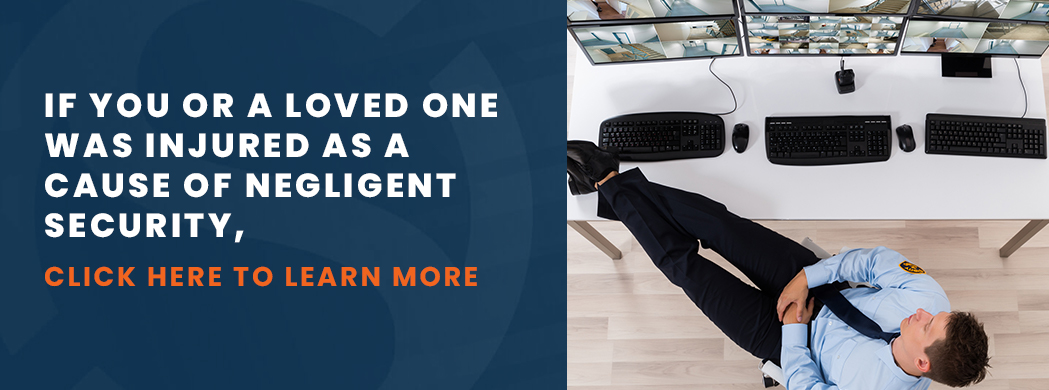
4. Security Companies
If negligent or inadequate security leads to assaults, robberies, or attacks, the apartment complex and its contracted security company may both be liable.
5. Maintenance Workers
Workers who perform poor-quality repairs or fail to address reported issues can contribute to unsafe conditions.
Determining liability often requires an investigation, photo evidence, witness statements, inspection records, and maintenance logs. A premises liability attorney can help identify who is responsible and build a strong claim.
Common Types of Apartment Complex Negligence in Florida
Apartment accidents usually happen because the property wasn’t properly maintained or safety precautions weren’t taken. Some of the most frequent forms of negligence include:
Poor Lighting in Hallways, Parking Lots, and Stairwells
Dim or broken lighting increases the risk of falls and can contribute to violent crimes.
Broken Staircases, Railings, and Walkways
Structural defects or weak railings can lead to severe falls and injuries.
Slip-and-Fall Hazards
These include wet floors, loose tiles, uneven surfaces, spills, and unmarked hazards.
Negligent Security
Unlocked gates, broken locks, malfunctioning security cameras, and lack of patrols can allow violent crimes to occur on the property.
Faulty Elevators or Escalators
Mechanical failures or missed inspection deadlines can cause crushing injuries, trips, or malfunctions.
Improperly Maintained Pools or Amenities
Apartment pool accidents, gym equipment failures, and clubhouse hazards are common sources of injury claims.
Pest Infestations or Mold Exposure
Long-term exposure to mold, rodents, or insects can cause respiratory problems and serious illness.
Unsafe Balconies and Decks
Rotting wood, loose floorboards, or unstable structures can collapse unexpectedly.
When property owners fail to address these issues—even after being told about them—they may be liable for any harm that follows.
Common Injuries in Apartment Complex Accidents
Depending on the hazard and accident type, injuries can range from mild to life-changing. Common injuries include:
-
Broken bones and fractures
-
Sprains, strains, and torn ligaments
-
Head injuries or traumatic brain injuries (TBIs)
-
Spinal cord injuries and herniated discs
-
Cuts, bruises, and lacerations
-
Burn injuries from electrical issues or fires
-
Respiratory issues from mold or chemical exposure
-
Assault-related injuries due to negligent security
Even injuries that seem minor at first can worsen over time, which is why medical evaluation and documentation are essential.
What to Do If You’re Injured in Your Apartment Building or Complex
If you’ve been hurt, take these steps to protect yourself and your case:
-
Seek medical attention immediately to document your injuries.
-
Report the accident to the property management or landlord in writing.
-
Take photos and videos of the hazardous condition, your injuries, and the surrounding area.
-
Save communication records showing any complaints you made before the accident.
-
Get witness names and contact information, if available.
-
Avoid signing anything from the apartment complex or its insurance company.
-
Contact a premises liability lawyer to discuss your legal options.
Your attorney can investigate the property, gather evidence, and negotiate with insurance companies to help you recover compensation for medical bills, lost wages, pain and suffering, and more.
Contact Stein Law
At Stein Law, we believe tenants deserve safe living conditions and clear answers when they’re injured due to negligence. Our team gives every client direct access to their attorney—so you always have someone you can call for guidance.
If you were injured in your apartment building or complex, reach out today. Contact Stein Law for a free case review.
FAQ
Can I sue my landlord if I was injured inside my apartment?
Yes. If the injury was caused by a condition the landlord knew about (or should have known about) and failed to fix, you may have a claim.
Do I need evidence that the apartment complex was negligent?
Evidence helps strengthen your case, but your attorney can assist in obtaining maintenance records, inspection logs, photos, and witness statements.
What if I was injured in a common area like the pool or parking lot?
Injuries in shared spaces are often the apartment complex’s responsibility and can lead to a premises liability claim.
How long do I have to file a claim in Florida?
Florida law generally allows two years from the date of the injury to file a personal injury lawsuit.
What compensation can I recover?
You may be able to recover medical costs, lost wages, future treatment needs, pain and suffering, and more depending on the circumstances.