
What to Do After a Subway Assault in NYC
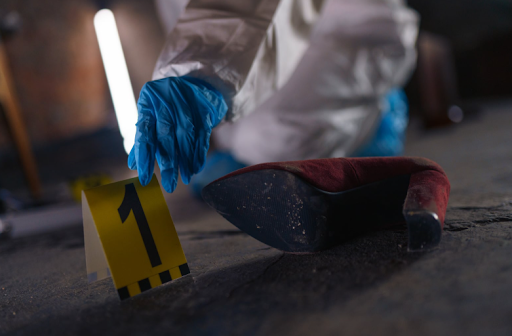
Being assaulted in a New York City subway station or on a train can be terrifying. In the moments afterward, you may be dealing with injuries, shock, fear, and confusion about what to do next.
Your safety comes first. Once you are safe, the steps you take in the minutes, hours, and days after a subway assault can affect your health, the investigation, and any future legal claim you may have.
If you were injured in a subway assault in NYC, acting quickly is important. Surveillance footage may not be saved for long, witnesses can be hard to find, and important evidence can disappear.
1. Get to Safety and Call 911
Your first priority is getting away from immediate danger.
If the attacker is still nearby, move toward the following:
- A staffed station booth
- MTA personnel
- Police officers
- Transit officers
- Areas with other passengers
Call 911 as soon as you can.
Even if your injuries seem minor, reporting the attack immediately creates an official record of what happened. That record may become important later if investigators identify a suspect or if questions arise about the incident.
When speaking with emergency responders, provide:
- The subway line
- The station name
- The train car number if known
- The direction of travel
- A description of the attacker
- Information about any injuries
The sooner authorities receive accurate information, the greater the chance of locating the attacker and preserving evidence.
2. Report the Assault to Police and MTA Personnel
Calling 911 is critical, but you should also report the incident to police and MTA personnel as soon as possible.
Notify:
- NYPD officers
- Transit Bureau officers
- MTA employees
- Station agents
- Conductors
- Train operators
Ask that the incident be formally documented. A police report can become one of the most important pieces of evidence in your case. It creates a timeline of events and can help establish when and where the attack occurred.
If you are able, make sure the report identifies the specific station, platform, train line, train car, and approximate time of the assault. These details may help investigators locate surveillance footage and other evidence faster.
If you are physically unable to make a report immediately because of your injuries, seek medical treatment first and follow up with law enforcement as soon as possible.
3. Seek Medical Attention Right Away
Many subway assault victims underestimate their injuries in the immediate aftermath of an attack. Adrenaline can mask symptoms for hours or even days, making it difficult to recognize the full extent of the harm suffered. Even if you believe you are “mostly okay,” it is important to get evaluated by a medical professional as soon as possible.
Common subway assault injuries include:
- Head injuries
- Concussions
- Facial fractures
- Broken bones
- Soft tissue injuries
- Neck injuries
- Back injuries
- Lacerations
- Psychological trauma
- PTSD and anxiety
Medical records can also play a significant role in documenting the harm you suffered. Delaying treatment may make it more difficult to connect your injuries to the assault later. Follow all medical recommendations and attend any follow-up appointments, as consistent treatment can support both your recovery and any potential legal claim.
4. Document the Station, Train, and Time
As soon as you are able, write down exactly what happened while the details are still fresh.
Include:
- Date of the assault
- Time of the incident
- Subway line involved
- Station location
- Platform number
- Direction of travel
- Train car location
- Description of the attacker
- Description of any suspicious activity before the attack
These details matter. Many subway stations and trains have surveillance systems, but finding the right footage often depends on knowing the exact place and time of the incident.
5. Take Photos of Your Injuries and the Scene
Your phone can become one of your most valuable evidence tools.
Take photographs of:
- Cuts and bruises
- Swelling
- Torn clothing
- Blood-stained items
- Damaged personal property
- The station area
- Platform conditions
- Stairways
- Escalators
- Lighting conditions
- Security cameras if visible
Also photograph anything damaged during the assault, such as your phone, glasses, bag, jewelry, or other personal belongings.
Continue photographing your injuries throughout the recovery process. Some injuries become more visible over time, particularly bruising and swelling.
6. Identify Witnesses
Witnesses often leave quickly after a subway incident.
If possible, try to obtain:
- Names
- Phone numbers
- Email addresses
Potential witnesses may include:
- Other passengers
- Station employees
- Security personnel
- Transit workers
- Nearby vendors
Do not assume police will automatically collect every witness’s contact information. If someone saw the attack and is willing to help, getting their information right away may be very important. Memories fade, and people can become hard to locate.
7. Save Your OMNY or MetroCard Records
Do not overlook your OMNY or MetroCard records. They may help show when you entered the subway system, which station you used, and your approximate travel timeline.
Try to save:
- OMNY receipts
- Transaction records
- MetroCard records
- Screenshots from payment apps
These records can help support your timeline and your account of what happened.
8. Preserve Clothing and Damaged Property
Do not immediately throw away damaged items.
Keep:
- Clothing worn during the assault
- Shoes
- Bags
- Eyeglasses
- Phones
- Jewelry
- Other damaged property
Place clothing in a clean bag and avoid washing it. Physical evidence may help demonstrate the force of the attack or document the nature of your injuries. Even seemingly minor damage can become important evidence.
9. Be Careful About What You Say
After an assault, you may receive calls from investigators, insurance representatives, or others seeking information.
Be truthful, but be cautious.
Avoid:
- Guessing about facts
- Speculating about what happened
- Exaggerating injuries
- Minimizing injuries
- Posting detailed statements on social media
What you say can later be compared against medical records, police reports, and witness statements. If you are unsure about a question, it is often better to say you do not know rather than speculate.
10. Avoid Recorded Statements Before Speaking With a Lawyer
After a serious subway assault, questions can come up quickly about who may be responsible and what evidence should be preserved. Depending on the circumstances, multiple parties may become involved in investigating the incident. Before providing recorded statements regarding injuries, damages, or legal claims, consider speaking with an attorney.
A lawyer can help you understand:
- What information may be relevant
- What evidence should be preserved
- Whether additional parties may be involved
- Your potential legal options
This is especially important when serious injuries are involved.
Why Acting Quickly Matters After a Subway Assault
Time can be critical after a subway assault. Important evidence may not remain available forever, and delays can make it harder to investigate what happened. Taking action quickly can help preserve information that may be important to both law enforcement and any potential legal claim.
- Surveillance Footage Can Be Lost: Many NYC subway stations and trains have surveillance cameras that may capture important details about an assault. However, video footage is not always preserved indefinitely. Depending on the circumstances, recordings may be overwritten or become more difficult to obtain over time. Acting quickly may improve the chances of identifying and preserving relevant footage.
- Witnesses Become Harder to Find: Witnesses often leave the scene shortly after an incident and continue with their daily routines. As time passes, people may change phone numbers, relocate, or simply forget important details about what they saw. Identifying witnesses as soon as possible can help preserve valuable information while memories are still fresh.
- Physical Evidence Can Disappear: Physical evidence can change or disappear quickly after an assault. Injuries may heal, bruising may fade, damaged property may be repaired, and clothing may be discarded. Preserving photographs, damaged items, and other evidence early can help document the incident and the impact it had on you.
- Legal Deadlines May Apply: Depending on the facts of your case, certain legal deadlines may affect your ability to pursue compensation. Some claims require specific notices or filings within a limited period of time. Speaking with an attorney early can help you understand what deadlines may apply and what steps should be taken to protect your rights.

Can Someone Other Than the Attacker Be Liable?
In some situations, liability may extend beyond the individual who committed the assault. Depending on the facts, an investigation may examine whether negligent security, inadequate safety measures, or unsafe conditions contributed to the incident.
Factors that may be examined include:
- Known safety risks that were not properly addressed
- Prior incidents or criminal activity in the area
- The adequacy of security staffing and monitoring
- Whether reasonable security measures were in place
- Dangerous conditions that may have increased the risk of an attack
- Whether complaints or warnings were ignored
Negligent security means a property owner or operator may be held responsible when they fail to take reasonable steps to help prevent foreseeable crime. Depending on the facts, that issue may arise in some subway assault cases.
Every case is different. A lawyer can help investigate the circumstances surrounding the assault and determine whether another party may share responsibility for the injuries suffered.
Common Mistakes to Avoid After a Subway Assault
The steps you take after a subway assault can affect your health, your ability to preserve evidence, and any potential legal claim. Avoid these common mistakes:
- Waiting to Get Medical Treatment: Delaying medical care can hurt both your recovery and your ability to document injuries related to the assault.
- Failing to Report the Incident: Without an official police or MTA report, proving important details about when and where the assault occurred may become more difficult.
- Throwing Away Evidence: Keep clothing, photographs, receipts, damaged property, and any other items connected to the incident.
- Relying on Memory Alone: Write down details about the attack, the location, and the individuals involved while the information is still fresh in your mind.
- Assuming Surveillance Footage Will Be Saved Automatically: Security footage may not be preserved indefinitely. Important recordings can be lost if action is not taken quickly.
- Posting About the Incident on Social Media: Public posts, photos, and comments can be taken out of context and may create complications later.
- Speaking to Others Before Understanding Your Rights: Before providing recorded statements about your injuries or potential claim, consider speaking with a lawyer who can explain your legal options.
When Should You Contact a Lawyer?
You should consider speaking with a lawyer as soon as possible if:
- You suffered serious injuries
- You required hospitalization
- The attacker was not identified
- The incident occurred in a station with known safety concerns
- You believe inadequate security contributed to the attack
- You missed work because of your injuries
- You are unsure about your legal rights
An attorney can help investigate the circumstances of the assault, preserve evidence, identify potentially responsible parties, and explain your legal options.
How SteinLaw Can Help
A subway assault can leave lasting physical, emotional, and financial consequences.
You may be trying to recover from your injuries while also dealing with fear, stress, and unanswered questions about what happened. At the same time, evidence may need to be preserved quickly.
SteinLaw may be able to investigate the assault, help identify available evidence, and determine whether negligent security or another failure may have contributed to what happened. Contact SteinLaw today for a free consultation. We may be able to help you pursue compensation, and we do not get paid unless you do.
Frequently Asked Questions
1. Should I call 911 even if the attacker has already left?
Yes. Reporting the assault immediately creates an official record and may help authorities investigate the incident.
2. What if I do not think my injuries are serious?
You should still seek medical attention. Some injuries, including concussions and soft tissue injuries, may not show symptoms immediately.
3. Can OMNY or MetroCard records help my case?
Potentially. These records may help establish your timeline and presence within the subway system.
4. What if there were no witnesses?
You may still have legal options. Surveillance footage, police reports, medical records, and other evidence may help establish what happened.
5. How long do I have to take legal action after a subway assault?
The answer depends on the facts of the case and the parties involved. Because legal deadlines can vary, it is best to speak with a lawyer as soon as possible.