Can You Hold an Airbnb Host Liable for Your Injuries?
Airbnb and other short-term rental services offer convenient and often luxurious accommodations for travelers. However, accidents can happen anywhere, and if you suffer an injury while staying at an Airbnb, you may wonder who is responsible for your medical expenses, lost wages, and other damages.
Yes, an Airbnb host may be liable for a guest’s injuries when an unsafe property condition, inadequate maintenance, failure to warn, or another form of negligence causes the injury. Liability depends on who owned or controlled the property, what caused the accident, whether the responsible party knew or should have known about the danger, and the law of the state where the injury occurred.
At SteinLaw, we help victims understand their legal rights and explore options for holding Airbnb hosts and other responsible parties liable for unsafe rental conditions.
An Airbnb injury claim can be more complicated than a typical premises liability case because the property owner, host, property manager, maintenance company, insurer, and other parties may all have different roles. Understanding who controlled the dangerous condition is an important part of who may be legally responsible.
When Is an Airbnb Host Liable for Injuries?
Airbnb hosts, like any property owners, have a legal duty to maintain a safe environment for guests.
The exact legal duty depends on state law and the circumstances, but property owners and others who control rental properties generally may have responsibilities related to reasonably safe conditions and warnings about certain hazards. If a host breaches an applicable duty and that failure causes a guest’s injury, the host may be held responsible.
Common examples of negligent conditions that could lead to liability include:
- Broken or loose flooring (such as cracked tiles, uneven steps, or damaged carpets)
- Faulty handrails or staircases
- Poor lighting in stairwells, hallways, or entryways
- Defective or improperly maintained furniture (e.g., a collapsing bed or chair)
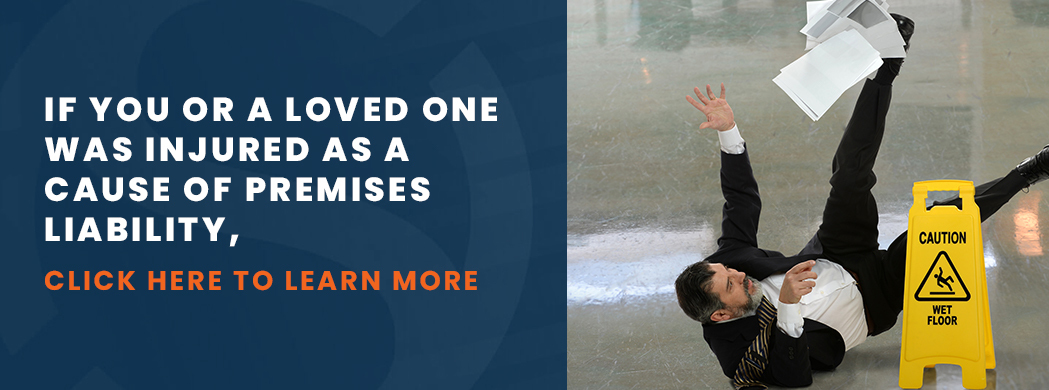
- Slippery surfaces with no warning signs (such as wet floors or icy sidewalks)
- Lack of security leading to assaults, break-ins, or injuries caused by third parties
- Fire hazards, faulty electrical wiring, or missing smoke detectors
- Unsafe balconies, decks, porches, or railings
- Swimming pool or hot tub hazards
- Dangerous electrical outlets, appliances, or exposed wiring
- Blocked exits or other unsafe means of entering or leaving the property
If the host knew about a hazard and failed to fix it or did not warn guests of a potential danger, they could be legally liable for any resulting injuries.
Depending on the law that applies, actual knowledge may not always be required. A claim may also involve whether the host should have discovered the dangerous condition through reasonable inspections, maintenance, or ordinary care.
What Do You Have to Prove in an Airbnb Injury Claim?
Simply being injured at an Airbnb does not automatically make the host liable. In a negligence or premises liability claim, an injured guest generally needs evidence connecting the unsafe condition or negligent conduct to the injury.
Although the specific requirements vary by state, a claim may involve questions such as:
- Did the host, owner, or another party owe the guest a legal duty?
- Was there an unreasonably dangerous condition at the property?
- Did the responsible party know or have reason to know about the condition?
- Did that party fail to repair the danger, provide an adequate warning, or otherwise act reasonably?
- Did the dangerous condition cause the guest’s injury?
- What medical expenses, lost income, pain and suffering, or other damages resulted?
Evidence addressing these questions can become especially important when a host or insurance company argues that the condition was obvious, that the guest caused the accident, or that the host had no notice of the problem.
Who Can Be Held Responsible for an Airbnb Injury?
Depending on the circumstances, multiple parties could be responsible for an injury at an Airbnb:
1. The Airbnb Host
- If the host failed to maintain the property, ignored safety hazards, or did not provide proper warnings, they may be liable.
- Example: A guest falls through a rotten wooden deck that the host knew was unsafe but did not repair.
The person listed as the Airbnb host may not always be the actual property owner. Some rentals are operated by tenants, co-hosts, investors, or management companies. Determining who owned, possessed, maintained, and controlled the area where the accident happened can help identify the proper defendant and available insurance coverage.
2. Airbnb (the Company Itself)
Airbnb’s potential liability is a separate legal question from the host’s liability. Airbnb’s terms describe the platform’s relationship with hosts and guests and contain provisions that may affect disputes. Whether Airbnb itself can be held legally responsible for a particular injury depends on the facts, the legal theory asserted, the applicable law, and the role Airbnb allegedly played in causing the harm.
For that reason, guests should not assume that Airbnb is automatically liable simply because a reservation was made through the platform. An attorney can review the circumstances to determine whether a viable claim exists against Airbnb, the host, another party, or some combination of parties.
3. Property Management or Maintenance Companies
- If the host hired a company to manage, clean, or maintain the property, that company could be responsible for failing to fix dangerous conditions.
- Example: A cleaning service fails to clean up a spill, causing a guest to slip and suffer an injury.
Responsibility may depend on the company’s contract and its actual control over the property. Maintenance records, cleaning schedules, repair requests, inspection records, and communications between the host and the management company may help show which party was responsible for addressing the hazard.
4. Other Third Parties
- If an injury was caused by a defective product (such as a faulty appliance or broken furniture), the manufacturer may be held liable under product liability laws.
Contractors, repair companies, security providers, neighboring property owners, or other businesses may also become relevant depending on how the injury happened. Identifying every potentially responsible party can matter because each party may have different insurance coverage and legal responsibilities.
What Types of Accidents Can Happen at an Airbnb?
Airbnb injury claims are not limited to slip and fall accidents. Short-term rentals can involve many of the same hazards found in hotels, apartment buildings, vacation homes, and other properties.
Potential claims may involve:
- Slip, trip, and fall accidents caused by spills, damaged flooring, loose rugs, clutter, or uneven walking surfaces
- Falls on unsafe stairs, balconies, decks, or porches
- Swimming pool and hot tub accidents
- Burns or smoke-related injuries connected to fires or unsafe equipment
- Electrical injuries
- Injuries caused by broken furniture or appliances
- Dog bites or other animal-related injuries
- Assaults or other criminal acts where inadequate security may be legally relevant
- Injuries involving elevators, gates, doors, or other property features
The type of accident affects what evidence is important and which parties may be responsible. For example, a broken stair claim may focus on inspection and maintenance records, while a negligent security claim may require a different analysis of foreseeability, security measures, and control over the property.
Does Airbnb Provide Insurance for Guest Injuries?
Airbnb currently markets AirCover for Hosts, which includes host liability insurance for certain claims involving bodily injury or property damage. Airbnb’s insurance programs, coverage amounts, exclusions, eligibility requirements, and terms can change, so an injured guest should not rely on a general description of AirCover to determine whether a particular accident is covered.
Host liability insurance is also different from Host Damage Protection, which is designed to cover certain damage to a host’s property rather than guest injury claims. In addition, a host may have homeowners, landlord, vacation rental, commercial, umbrella, or other insurance that could become relevant.
What If the Host’s Insurance Denies the Claim?
An insurance denial does not necessarily determine whether the host or another party is legally responsible. Coverage disputes and liability disputes are different issues. An insurer may argue that a policy exclusion applies, that the property was being used commercially, that another policy should respond, or that its insured was not negligent.
An Airbnb injury lawyer can review available policies, correspondence, reservation records, and other evidence to identify potential sources of coverage. In some cases, more than one insurance policy may apply.
Steps to Take If You’re Injured at an Airbnb
If you suffer an injury while staying at an Airbnb, taking the right steps can strengthen your claim and protect your legal rights:
- Seek Medical Attention Immediately – Even if you feel fine, injuries may worsen over time.
- Report the Injury to Airbnb – Document the incident through Airbnb’s platform.
- Take Photos & Videos – Capture the hazardous condition, your injuries, and the surrounding area.
- Gather Witness Statements – If others saw what happened, get their contact information.
- Keep Medical Records & Receipts – Document hospital visits, prescriptions, and any treatments you receive.
- Consult an Attorney – A personal injury lawyer can help you navigate Airbnb’s legal protections and evaluate the parties involved, preserve evidence, review available insurance coverage, and pursue compensation.
You should also save the Airbnb listing, reservation confirmation, photographs from the listing, messages with the host, check-in instructions, house rules, and any communication about the dangerous condition. Online listings and messages can be changed or removed later, so preserving what you can soon after the accident may be useful.
Report the Hazard, Not Just the Injury
When possible, document exactly what caused the accident. For example, if you fell because a stair tread was loose, photograph the stair from several angles instead of documenting only your injury. If you previously notified the host about the problem, save those messages because they may help show the host knew or should have known about the hazard.
Be Careful When Discussing the Accident
A host, property manager, or insurance representative may ask you to explain what happened. Give accurate information when reporting the incident, but be cautious about speculation or making statements about fault before all the facts are known.
You should also avoid posting detailed comments, photographs, or updates about the accident on social media while a claim is pending. Insurance companies may review publicly available information when evaluating an injury claim.
What Evidence Can Help Prove an Airbnb Host Was Negligent?
Evidence can disappear quickly at a short-term rental. The property may be cleaned, repaired, rented to another guest, sold, or altered shortly after your stay. Preserving evidence early can help establish what happened.
Useful evidence may include:
- Photos and video of the dangerous condition
- The original Airbnb listing and property photographs
- Messages between you and the host or property manager
- Prior complaints or repair requests, when available
- Maintenance and inspection records
- Cleaning records
- Security or doorbell camera footage
- Witness contact information and statements
- Medical records documenting your injuries
- Receipts and records showing accident-related expenses
- Employment records showing time missed from work
A lawyer may also investigate whether other guests previously reported the same condition. Evidence of earlier complaints can sometimes help show whether the responsible party had notice of a recurring or unresolved hazard.
Can You Still Recover Compensation If You Were Partly at Fault?
Possibly. The answer depends on the comparative or contributory fault rules of the state where the accident occurred. A host or insurer may argue that a guest was distracted, ignored a warning, entered a restricted area, or otherwise contributed to the accident.
Being accused of sharing responsibility does not automatically mean you have no claim. State law determines how a guest’s percentage of fault may affect whether compensation is available and, if so, how much may be recovered.
What Compensation Can You Recover?
If you were injured because of someone else’s negligence, you may be entitled to compensation for:
- Medical Expenses – Emergency care, doctor visits, physical therapy, and ongoing treatments.
- Lost Wages – Compensation for missed work and reduced earning capacity.
- Pain & Suffering – Emotional distress and the long-term impact on your life.
- Property Damage – Compensation for personal belongings damaged in the accident.
- Future Medical Care – Treatment, rehabilitation, medication, or other care reasonably connected to serious or lasting injuries.
- Loss of Earning Capacity – Reduced ability to earn income when an injury creates lasting work limitations.
Punitive damages may be available in limited cases under the law of the state governing the claim, but they generally require conduct beyond ordinary negligence.
The value of an Airbnb injury claim depends on the evidence, severity and duration of the injuries, available insurance coverage, applicable state law, and other case-specific factors. No particular amount of compensation is guaranteed.
How Long Do You Have to File an Airbnb Injury Claim?
The filing deadline depends primarily on the law of the state where the injury occurred and the type of claim being brought. Personal injury statutes of limitations vary by state, and certain circumstances can affect when a deadline begins or whether an exception applies.
Because Airbnb rentals frequently involve travelers from another state, it can be easy to assume that the law of the guest’s home state controls. That may not be the case. A lawyer can determine which deadlines and laws apply to the accident.
Waiting can also create evidence problems even when the legal deadline is months or years away. Surveillance recordings can be overwritten, rental listings can change, witnesses can become difficult to locate, and dangerous conditions can be repaired.
Do Airbnb’s Terms Affect an Injury Claim?
Airbnb users agree to terms when using the platform, and those terms may contain provisions concerning disputes, insurance, releases, or the relationship between Airbnb, hosts, and guests. The terms in effect at the time of a particular reservation may matter when evaluating a claim involving the platform.
Those contractual provisions do not answer every question about a host’s independent responsibility for unsafe property conditions. An attorney can review the applicable terms alongside state premises liability and negligence law rather than assuming the platform’s rules determine the entire case.
Why Choose Stein Law?
At SteinLaw, we have extensive experience handling premises liability claims, including injuries at short-term rental properties like Airbnb. Our legal team will:
- Investigate who is liable for your injury.
- Gather evidence to prove negligence.
- Handle all negotiations with Airbnb, insurance companies, and property owners.
- Advocate for compensation available under the law for medical bills, lost income, pain and suffering, and other covered losses.
We can also examine whether a property manager, maintenance company, contractor, product manufacturer, or another party may share responsibility for the accident. When multiple parties or insurance policies are involved, identifying them early can help provide a clearer picture of your legal options.
We work on a contingency fee basis, meaning you don’t pay unless we win your case.
Contact Stein Law for a Free Consultation
If you or a loved one has been injured at an Airbnb, do not handle the claim alone.
Questions about property ownership, maintenance responsibilities, insurance coverage, and Airbnb’s role can make these claims difficult to evaluate on your own. Stein Law can review what happened, explain your legal options, and help determine who may be responsible.
Call 833-691-5663 or fill out our online form to schedule a free consultation today. Let Stein Law help protect your rights and pursue the compensation that may be available under the law. No fees unless we win.
Frequently Asked Questions About Airbnb Injury Claims
1. Can I sue an Airbnb host if I slipped and fell at the property?
You may be able to bring a claim if a dangerous property condition caused your fall and the host or another responsible party was negligent. Evidence showing what caused the fall and whether the responsible party knew or should have known about the condition can be important.
2. Is Airbnb automatically responsible if I am injured at an Airbnb?
No. Booking a property through Airbnb does not automatically make Airbnb legally responsible for an injury. Liability depends on what caused the accident, who controlled the property or hazard, the applicable law, and the specific role of each party.
3. What if I discovered the dangerous condition only after I was injured?
You may still have a potential claim. Whether the host had actual or constructive notice of the hazard can be more important than whether you personally knew about it before the accident, although the rules vary by state.
4. Can a property manager be liable instead of the Airbnb host?
Yes, depending on the circumstances. A property manager that controlled maintenance, inspections, cleaning, repairs, or another aspect of the property may have its own legal responsibilities.
5. What if I was injured at an Airbnb while traveling in another state?
The location of the accident can affect which premises liability rules, filing deadlines, and damages laws apply. If you were injured while traveling, an attorney can evaluate the law governing the property rather than assuming your home state’s rules apply.
6. Should I report an Airbnb injury through the app?
Reporting the incident through Airbnb’s platform can create a record of what happened. Save copies or screenshots of your report and any messages with the host or Airbnb, and keep your own photographs and other evidence rather than relying solely on information stored in the app.