Parking Lot Shootings: When Can You Hold the Property Owner Accountable?
A parking lot shooting can change your life in seconds. You may be dealing with emergency medical care, surgery, missed work, and emotional trauma. You and your family may also be left wondering how the shooting happened and whether someone could have done more to prevent it.
The person who pulled the trigger is usually the first party responsible. But they may not be the only ones. Property owners, businesses, landlords, property managers, and security companies may also be responsible if unsafe conditions or poor security helped allow the attack to happen.
These cases often involve negligent security. This means a property owner failed to take reasonable steps to protect visitors from a danger they knew about or should have known about. Not every shooting leads to a claim against the property owner, but when warning signs are ignored, you may have the right to seek compensation.
Understanding Negligent Security: Can You Sue?
A property owner is not automatically liable just because a crime happened on their property. To hold them accountable, you generally need to show that their negligence contributed to the danger.
The law looks at what the owner knew, what they should have known, and whether they took reasonable steps to protect visitors. A claim may be stronger when there was a pattern of ignored warning signs, such as prior violence, repeated police calls, broken lighting, unsecured entrances, or complaints about safety.
These claims can arise at many types of properties, including:
- Shopping centers and retail strips
- Apartment complexes and student housing
- Hotels, motels, and short-term rental properties
- Bars, nightclubs, and restaurants
- Gas stations, parking garages, and transit hubs
- Hospitals and office buildings
Each case depends on the facts. A shooting at a property with no prior safety concerns is very different from a shooting at a location where assaults, robberies, weapons complaints, or threats had already been reported.
Why Foreseeability Matters
Foreseeability is one of the most important issues in a parking lot shooting case. Property owners and insurance companies often argue that a shooting was sudden and impossible to predict. Evidence may show otherwise.
A crime may be foreseeable if the property had a history of problems that should have alerted the owner to a serious risk. This may include prior shootings, armed robberies, assaults, fights, weapons complaints, or frequent 911 calls to the same address or nearby area.
The nature of the business can also matter. A late-night nightclub may require different security measures than a quiet office parking lot during the day. A hotel or apartment complex in an area with repeated parking lot crime may need stronger safety measures than a property with no known history of danger.
Common Safety Failures in Parking Lots
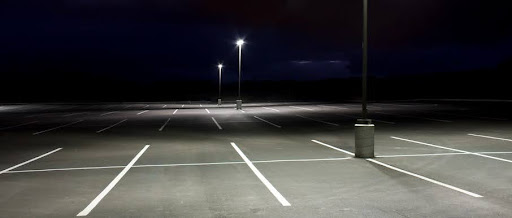
Negligent security cases often involve basic safety failures that were ignored for too long. Poor lighting is one of the most common issues. Dark corners, broken light poles, and dim stairwells can make it easier for attackers to approach without being seen.
Access control can also play a role. Broken gates, missing locks, open stairwells, and unsecured entry points may allow people to enter a property without permission. These problems can be especially serious at apartment complexes, hotels, and parking garages.
Security staffing may also be important. If a property uses guards or patrols, those security measures should be reasonable for the risk. An absent, distracted, poorly trained, or poorly placed security guard may provide little real protection.
Critical Evidence to Prove Your Claim
In negligent security cases, evidence can disappear quickly. Surveillance footage may be overwritten. Security logs may be changed. Broken lights, gates, or locks may be repaired soon after the attack.
A strong investigation may include:
- Police reports from the shooting and prior incidents
- 911 call records and local crime history
- Surveillance footage from the parking lot or nearby businesses
- Maintenance records for lights, gates, cameras, locks, and doors
- Security patrol logs and incident reports
- Photos or videos showing the condition of the property after the shooting
- Witness statements
- Prior complaints from tenants, customers, employees, or guests
- Contracts with private security companies
This evidence can help show whether the property owner knew about a danger, whether safety problems were ignored, and whether better security could have reduced the risk.
Who Can Be Held Accountable?
Responsibility often depends on who controlled the parking lot and who had the power to fix the safety problem. More than one party may be involved.
Potentially responsible parties may include a property owner, commercial landlord, property management company, business tenant, parking garage operator, maintenance company, event organizer, or private security contractor.
For example, a store may lease space in a shopping center, but the shopping center owner may control the parking lot. At an apartment complex, the landlord or management company may be responsible for lighting, gates, locks, and security policies. An attorney can identify which parties had control and what each one was supposed to do.
What Compensation May Be Available?
A parking lot shooting can cause serious physical, emotional, and financial harm. A civil claim may seek compensation for losses such as:
- Emergency medical care, hospital bills, surgery, and medication
- Physical therapy and future medical treatment
- Mental health counseling
- Lost income
- Reduced future earning ability
- Pain and suffering
- Emotional distress
- Disability, scarring, or long-term injury
- Wrongful death damages, if a loved one was killed
A financial recovery cannot undo the trauma of violence. But it can help pay for treatment, replace lost income, and give your family support while you move forward.
Steps to Take After an Attack
After a shooting, your health and safety come first. Get medical care right away. Gunshot wounds, shock, falls, and trauma symptoms can worsen over time, even if you do not feel the full impact immediately.
Report the incident to police and ask how to obtain a copy of the report. If possible, write down what you remember about the parking lot, including whether it was dark, whether cameras were visible, whether security guards were present, whether gates or doors were open, and whether anything unusual happened before the shooting.
Try to preserve anything that may help your claim. Save medical records, photos, videos, receipts, parking tickets, witness names, messages, and clothing from the incident. Avoid giving recorded statements to the property owner’s insurance company before speaking with an attorney. Insurance adjusters may use those conversations to shift blame or limit responsibility.
How SteinLaw Can Help
Parking lot shooting cases can be difficult because property owners and insurance companies often deny responsibility. They may argue that the shooter alone caused the harm or that the attack could not have been predicted.
SteinLaw can investigate the property’s history, look for ignored warning signs, preserve surveillance footage, interview witnesses, review security records, and work with experts when needed. Our legal team can also identify every party that may be responsible and deal with the insurance companies on your behalf.
You should not have to handle these questions alone while trying to heal. SteinLaw gives clients direct access to their attorney, clear communication, and personal attention throughout the case.
Get a Free Evaluation Today
If you or someone you love was injured in a parking lot shooting, contact SteinLaw today for a free consultation. We can review what happened, explain your options, and help you decide what to do next.